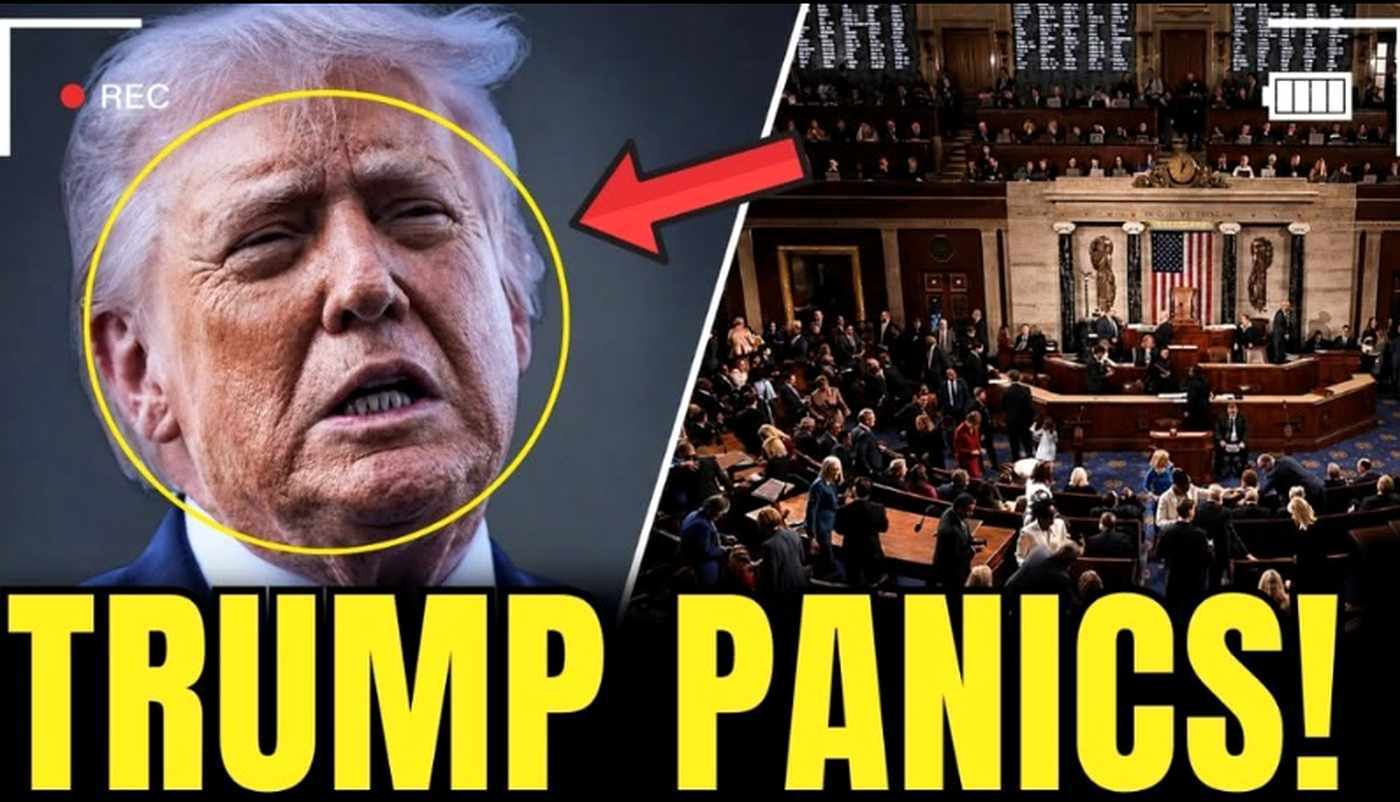
For months, Donald Trump’s allies have projected confidence, insisting that criticism from Washington insiders means little to ordinary Americans. Yet beneath the headlines, a different story is beginning to emerge—one defined not by opposition attacks, but by growing friction from within the political establishment itself.
The latest controversy centers on a fiercely disputed “anti-weaponization” settlement fund, a proposal that has ignited outrage across Capitol Hill. Critics argue that the initiative represents far more than a routine legal settlement; they see it as a symbol of how political power, accountability, and public trust are increasingly colliding.
Lawmakers questioning the arrangement describe it as a troubling example of government operating behind closed doors. Their concerns focus on whether institutions meant to serve the public are instead being drawn into battles designed to protect powerful political figures from scrutiny and oversight.

What makes the dispute especially significant is that resistance is not coming solely from Democrats. Several Republicans have voiced deep unease, signaling that disagreements inside the party may be growing harder to ignore as political pressure intensifies ahead of future elections.
At the same time, another battle is unfolding over a controversial nomination for Director of National Intelligence. The position traditionally demands extensive national security expertise, intelligence experience, and deep familiarity with global threats. Critics argue the current nominee falls well short of those expectations.
The opposition has been unusually bipartisan. Veteran Republican voices have publicly questioned whether loyalty is being prioritized over qualifications, while Democratic lawmakers warn that intelligence agencies risk becoming increasingly politicized in ways that could undermine public confidence.

Such concerns arrive at a moment when trust in institutions is already fragile. Across the country, voters are expressing frustration over rising living costs, housing affordability, and persistent economic uncertainty. Those anxieties are reshaping political calculations in both parties.
For many Republican lawmakers facing difficult re-election campaigns, the political environment has become increasingly unforgiving. In previous years, unwavering loyalty to Trump often represented the safest path. Today, some strategists believe survival may require a more independent approach.
That shift does not necessarily signal a dramatic rebellion. Rather, it reflects a growing recognition that electoral realities can outweigh ideological commitments. When poll numbers soften and competitive districts become harder to defend, political instincts often begin to change.

Observers note that the emerging divisions reveal a broader question confronting the Republican Party: Is its future tied entirely to one political figure, or can it evolve into something larger than the movement that transformed American politics over the last decade?
The answer remains uncertain. Trump continues to command passionate support from millions of voters and retains enormous influence over the party’s grassroots base. Few political figures in modern American history have demonstrated a comparable ability to shape national debate.
Yet Washington is increasingly becoming a place where loyalty and self-preservation are colliding. As controversies multiply and pressure builds, lawmakers who once moved in lockstep are beginning to show signs of hesitation.
Whether these tensions fade or deepen could define not only the next election cycle, but also the future direction of one of America’s two major political parties. For now, the fractures remain visible—and impossible to ignore.