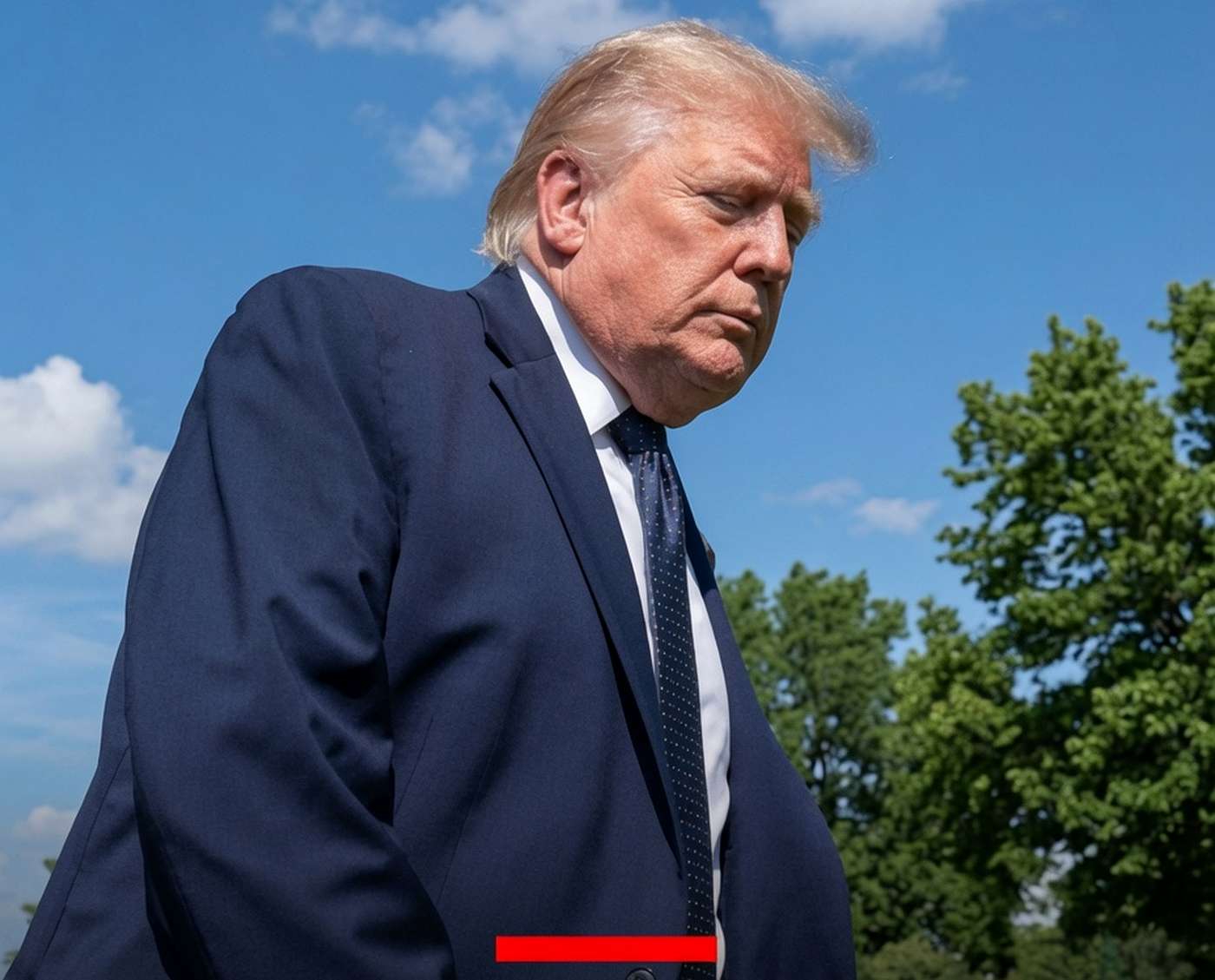

A report detailing a heated closed-door meeting among Senate Republicans has ignited fresh debate over the future of the SAVE America Act and the level of support President Donald Trump commands within his own party.
According to multiple sources cited exclusively by the Daily Caller, Senate Majority Leader John Thune acknowledged during a Republican lunch meeting on Wednesday that some GOP senators oppose Trump so strongly that they would never support the legislation regardless of its merits.
The alleged remark came during a discussion about the SAVE America Act, an election integrity bill championed by Trump allies and sponsored in the Senate by Utah Republican Sen. Mike Lee.
Several sources familiar with the meeting confirmed to The Daily Caller that tensions escalated as lawmakers debated the bill’s prospects.
One source told the outlet that the reported exchange “totally happened.”
Thune’s office strongly disputed the account.
“This is a baseless claim, and it is unequivocally untrue,” a spokesperson for the majority leader told the Daily Caller.
The disagreement reportedly unfolded during a contentious conversation involving Lee, Thune and Texas Republican Sen. John Cornyn.
According to sources familiar with the meeting, Cornyn – who lost his primary earlier this month to Trump-backed Texas AG Ken Paxton – and Thune questioned Lee’s strategy for advancing the legislation.
The confrontation was first reported publicly by Punchbowl News reporter Andrew Desiderio.
Desiderio wrote on X that Republican senators confronted Lee during the closed-door lunch over his push for the SAVE America Act.
He described the meeting as a “pile-on” against the Utah senator.
According to Desiderio’s reporting, some senators argued that Trump had been led to believe the legislation could pass the Senate, creating frustration when that outcome appeared unlikely.
Lee has emerged as one of the bill’s most vocal advocates.
During an appearance Tuesday on Fox News’ “The Ingraham Angle,” Lee pushed back against suggestions that the legislation lacked a viable path forward.
“Yes, there is, Kayleigh, and I respectfully but very strongly disagree with my colleague from South Dakota on that,” Lee said when asked whether the bill could advance.
Lee argued that the legislation already enjoys majority support in the Senate.
He acknowledged that the bill currently lacks the 60 votes generally required to overcome a filibuster.
However, he insisted Republicans still have procedural options available.
“We don’t have 60 votes, just 10 votes short of achieving cloture,” Lee said.
He argued that senators could potentially advance the legislation through other procedural mechanisms.
Lee said his preferred strategy would be to bring the House-passed version of the bill directly to the Senate floor.
“If the majority leader were to announce we are going to debate this till we pass it, we would get to the point of passage,” Lee said.
The dispute comes as Trump has publicly urged Senate Republicans to move aggressively on election integrity legislation.
The president recently called for the SAVE America Act to be attached to legislation reauthorizing the Foreign Intelligence Surveillance Act, commonly known as FISA.
That proposal has generated additional debate within the Republican conference.
Thune addressed the issue during an appearance on Tuesday on Fox News’ “Special Report.”
Asked by host Bret Baier about Trump’s proposal, Thune emphasized the bill’s current lack of support.
“We only got 48 votes,” Thune said while discussing a recent Senate vote involving the legislation’s components.
Thune argued that Republicans do not have sufficient support to eliminate the legislative filibuster, which would be required to guarantee passage under current Senate rules.
“The only way you can obviously get this done is to nuke the legislative filibuster, and that is not something that we have anywhere close to the votes to do,” Thune said, The Daily Caller reported.
The SAVE America Act has become a flashpoint within the Republican Party because it combines election-related reforms that enjoy strong support among many conservative voters with procedural hurdles that make passage in the Senate difficult.


