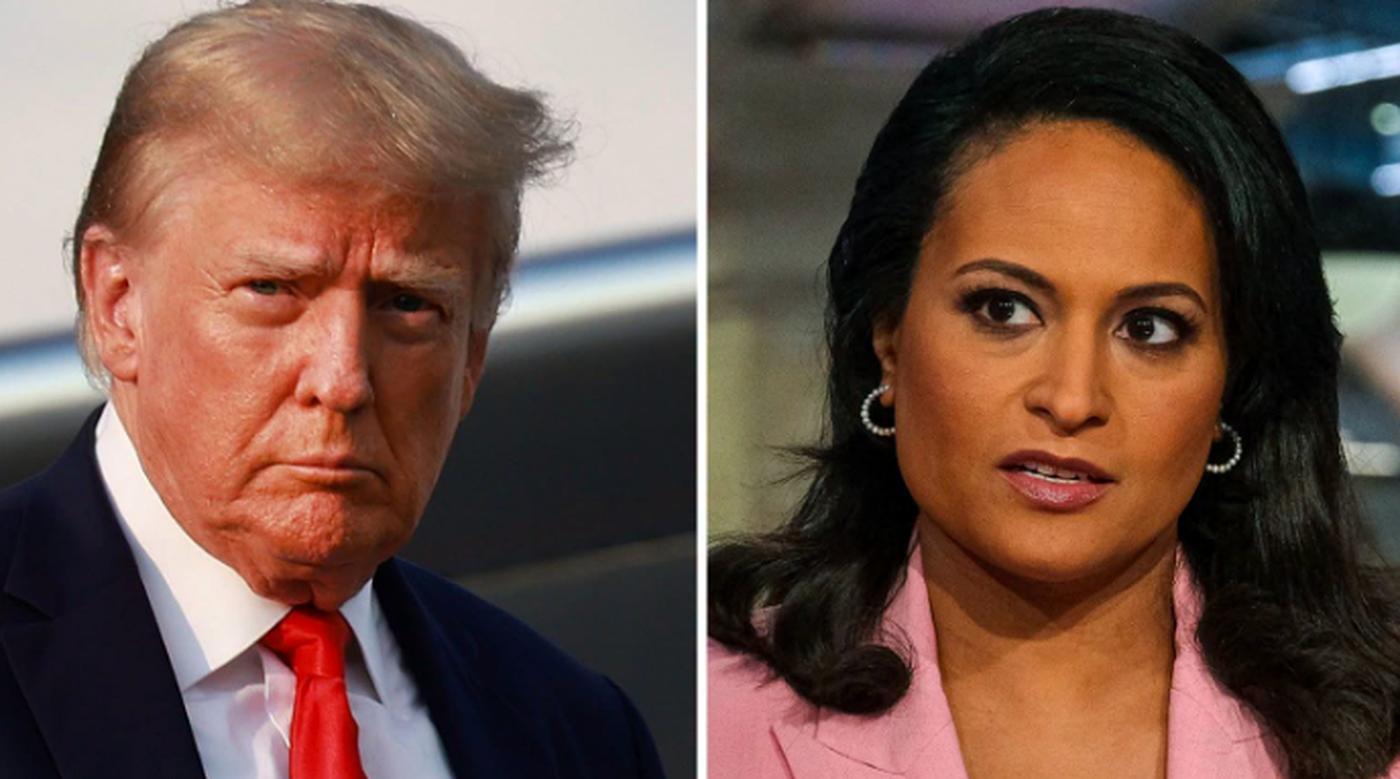
President Donald Trump has called on the Federal Communications Commission (FCC) to revoke the broadcast licenses of major networks including ABC, NBC, CNN, and CBS, accusing them of bias after they declined to air his national address in full on Wednesday evening. The demand, made via social media and public statements, has intensified the ongoing battle between the administration and legacy media outlets.
Trump argued that the networks’ decision to provide only limited coverage or analysis instead of live broadcast access amounted to censorship and a violation of their public interest obligations as licensed broadcasters. Supporters of the president echoed these claims, describing the networks as partisan actors rather than neutral journalists who prioritize anti-administration narratives over informing the public directly from elected leaders.
FCC Chairman Brendan Carr has previously signaled willingness to review broadcast practices for compliance with equal time rules and public interest standards, though revoking licenses is an extreme and rarely used measure that would face significant legal hurdles and First Amendment challenges. Legal experts note that while the FCC regulates over-the-air broadcasters, cable and streaming outlets like CNN operate under different frameworks, and any revocation action would likely trigger lengthy court battles.
Network representatives defended their editorial decisions, stating that news organizations have the right to determine coverage based on newsworthiness and that providing analysis alongside excerpts fulfills journalistic responsibilities. They described the president’s demand as an attack on press freedom and an attempt to intimidate independent media.
The controversy reflects deeper tensions over media bias, government oversight of broadcasting, and the role of traditional networks in a fragmented information landscape. Critics of the major outlets have long accused them of one-sided reporting, while defenders argue that government intervention in editorial choices threatens democratic principles.
As the FCC considers next steps, the episode is expected to fuel further debate about media accountability, regulatory authority, and the balance between free speech protections and public airwave responsibilities. The president’s call has mobilized his supporters to pressure the agency for investigations into alleged violations of fairness doctrines, even as opponents warn of dangerous precedents for press independence.
This latest clash adds to a series of high-profile confrontations between the Trump administration and major media organizations, highlighting the polarized state of American political communication.


